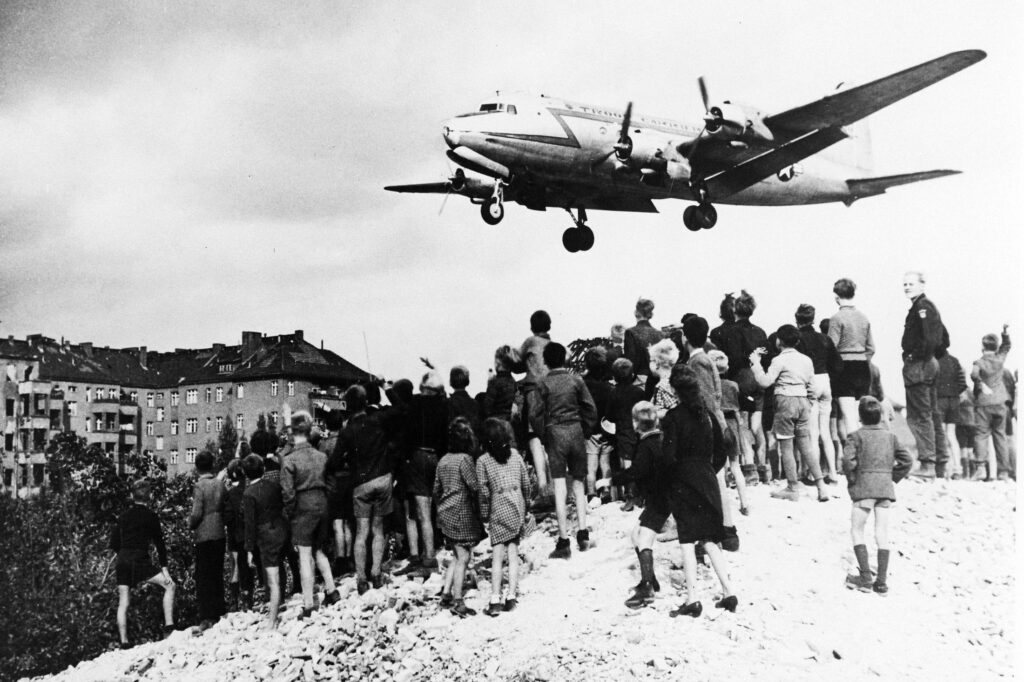
In the aftermath of the Second World War, the world faced an uncertain and fragile peace. The scars of war were deep, especially in Europe, which had seen devastation on a massive scale. It was clear that cooperation—not isolation—was needed to prevent history from repeating itself. From these ashes, NATO was born.
The World After WWII
By 1945, the Allied powers had defeated Nazi Germany and Imperial Japan. But peace did not bring stability. Instead, a new geopolitical tension emerged between the Western Allies—led by the United States—and the Soviet Union. This ideological and military rivalry came to be known as the Cold War.
Western European countries were economically and militarily weak. Fearing the spread of communism and the aggressive posture of the Soviet Union, especially after its control over Eastern Europe, Western leaders began to consider a collective security arrangement.
The Washington Treaty – April 4, 1949
The birth of NATO (North Atlantic Treaty Organization) was formally marked on April 4, 1949, when 12 countries signed the Washington Treaty. These founding members were:
- United States
- Canada
- United Kingdom
- France
- Belgium
- Netherlands
- Luxembourg
- Norway
- Denmark
- Portugal
- Italy
- Iceland
This treaty was more than just a pact—it was a commitment. Article 5, the cornerstone of NATO, stated that an attack against one member would be considered an attack against them all. This clause created a powerful deterrent against potential aggressors.
Key Goals of NATO
- Collective Defense – To defend member nations from external threats, particularly from the Soviet Union.
- Political Unity – To promote democratic values and prevent the rise of totalitarian regimes in Western Europe.
- Military Coordination – To standardize military strategies, equipment, and command structures among allied nations.
NATO’s Evolution
Though it was founded to counter Soviet expansion, NATO has adapted to changing global dynamics. After the Cold War, it took on new roles such as:
- Peacekeeping in the Balkans
- Counter-terrorism after 9/11 (invoking Article 5 for the first and only time)
- Cyber defense and addressing emerging threats
The alliance has expanded from 12 members to 32 countries today, including former Eastern Bloc nations, reflecting its enduring relevance.
Final Thoughts
NATO was born out of fear, necessity, and a shared hope for peace. It symbolizes how nations can unite for mutual protection and common ideals. While it has faced criticism and challenges, its core mission—to safeguard freedom and security through political and military means—remains as vital today as it was in 1949.