Over the past decade, digital learning has become almost inseparable from education. Tablets, smartboards, and learning apps promised to modernize classrooms and make lessons more engaging for the digital generation. Yet, an interesting trend is emerging in several parts of Europe: schools are returning to traditional teaching methods and deliberately limiting students’ exposure to electronic devices.
Why the Shift Back?
- Concerns About Screen Time
Parents, teachers, and health experts have raised alarms about the effects of prolonged screen use on children’s eyesight, posture, sleep, and mental health. By cutting down screen exposure, schools aim to protect students’ well-being. - Focus on Deep Learning
Research suggests that while devices can provide quick access to information, they may also encourage shallow reading and multitasking. Traditional methods—books, handwriting, group discussions—help students focus, think critically, and retain knowledge more effectively. - Stronger Social Interaction
Teachers have observed that when classrooms rely less on gadgets, students communicate more with each other and their instructors. This fosters teamwork, empathy, and problem-solving skills. - Equity and Accessibility
Not all families can afford the latest devices. By minimizing dependency on technology, schools create a fairer learning environment where every child learns under the same conditions.
Examples Across Europe
- Germany and France: Some schools have banned smartphones entirely during school hours, encouraging outdoor play and face-to-face socialization.
- Sweden: Despite being an early adopter of digital classrooms, the government recently announced a renewed emphasis on textbooks and handwriting, citing concerns about falling reading comprehension.
- UK: A growing number of private schools are advertising “low-tech” learning environments as part of their appeal to parents.
What Traditional Methods Look Like Today
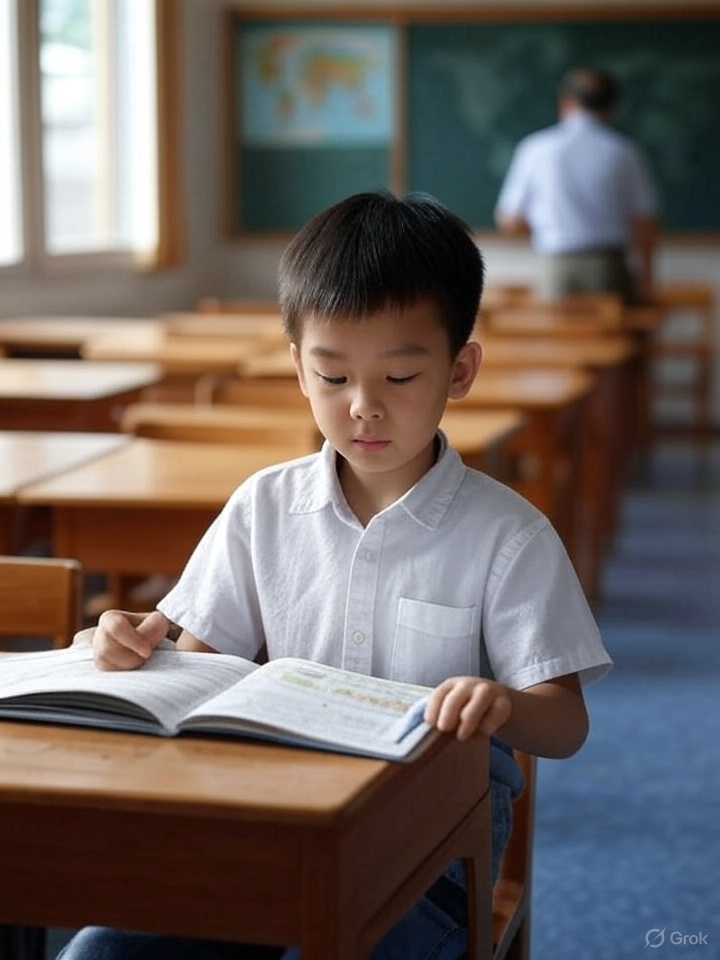
- Students using printed textbooks and notebooks rather than digital screens.
- Teachers leading chalkboard-based lessons with direct explanations.
- More handwriting practice to strengthen memory and comprehension.
- Outdoor activities, physical games, and art projects prioritized alongside academics.
A Balanced Future
This doesn’t mean Europe is rejecting technology altogether. Most schools still integrate some digital tools for research, special projects, or older students preparing for modern workplaces. However, the shift reflects a growing recognition: young children need a strong foundation in reading, writing, and social interaction before diving deep into the digital world.